

Insurance Industry Acronyms
Don’t get lost in your next insurance discussion. This quick reference explains common insurance and related acronyms so you can understand the conversation and co…
Don’t get lost in your next insurance discussion. This quick reference explains common insurance and related acronyms so you can understand the conversation and co…

Claims-made insurance policies rely on several timing provisions to determine when coverage applies. One of the most important is the retroactive date, which establishes how far back a policy will respond to wrongful acts.
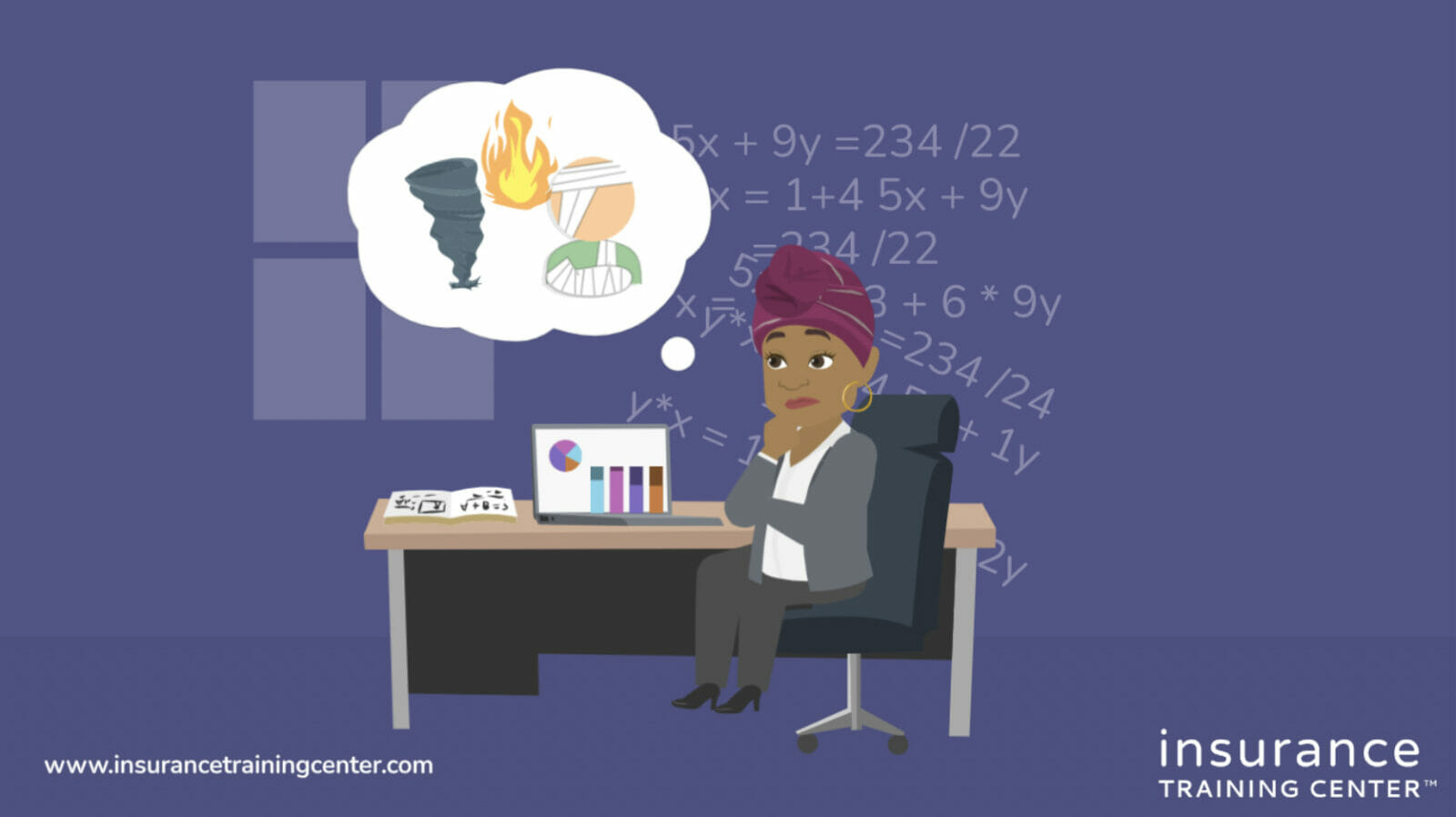
Understanding IBNR is more than knowing its definition. It means grasping how insurers use it, why it matters, and what role it plays in evaluating financial stability, pricing, and long-tail risk.

Run-off insurance refers to the coverage arrangement used when an insured has ceased operations or stopped providing professional services but remains exposed to claims arising from past acts.

Understand the difference between admitted and non-admitted insurance, how they work across borders, and what they mean for policyholders, brokers, and global programs. Includes real-world examples and practical insights.

‘First-party insurance’ refers to a type of insurance designed to cover a business’s own direct losses from events like fire, theft, or cyberattacks. When a covered peril strikes, this …

‘Third-party insurance’ refers to insurance designed to cover loss incurred by the insured party as a result of their legal liability to a third party.

An insurance binder is a legal document that provides temporary proof of coverage when the final insurance policy documents have not yet been issued.
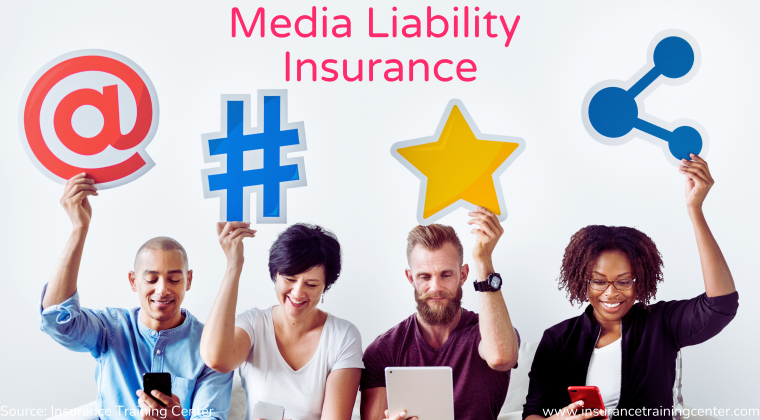
Media liability insurance protects an organization against loss from claims arising from the content it creates, publishes, or distributes, both online and off.
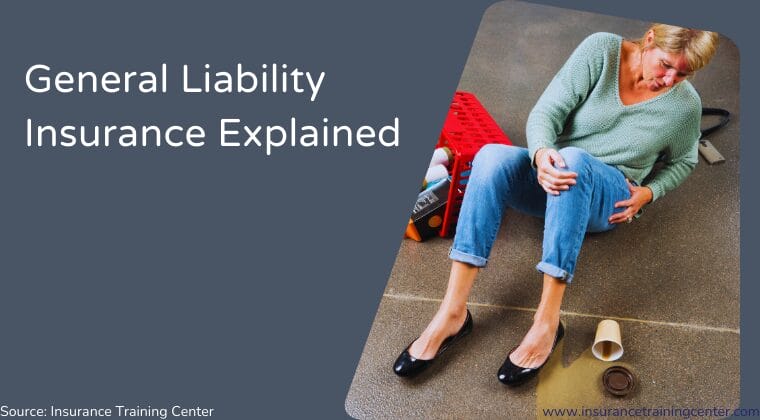
General liability (GL) insurance is a type of business insurance that provides financial protection against claims from third parties for bodily injury, property damage, and advertising-related harm. Learn what in includes, excludes, and more…