

What is a Self-Study CE/CPD Course?
A self-study CE/CPD course is a course that is completed individually by the student on their own time and schedule. Self-study courses need to meet certain requirements in order to be approved for …
A self-study CE/CPD course is a course that is completed individually by the student on their own time and schedule. Self-study courses need to meet certain requirements in order to be approved for …

Learning with the Insurance Training Center – this article and video walk you through the Insurance Training Center online learning system. Learn how to access the Student Dashboard, use the tools to manage your account, customize …
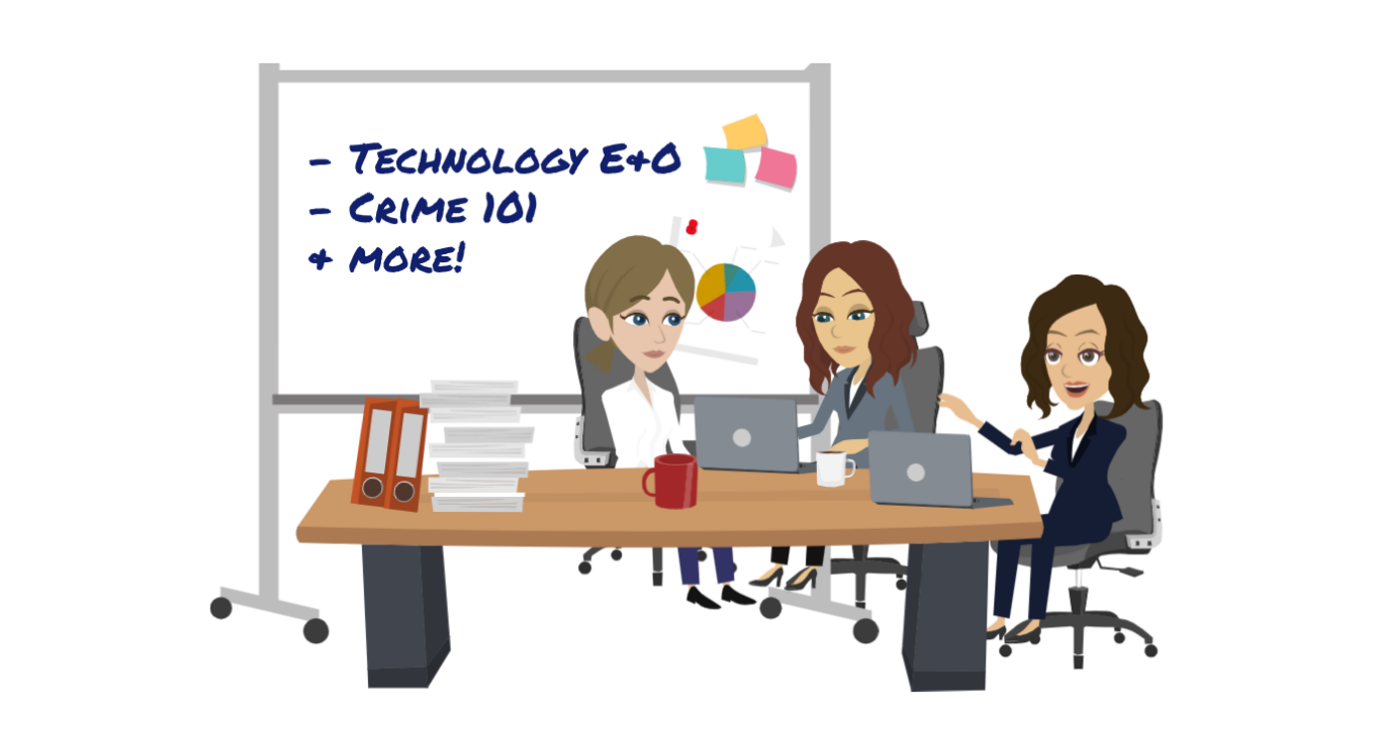
The Insurance Training Center takes pride in delivering high quality courses on professional and management liability insurance and related topics.

A loss ratio is a quick way to evaluate the financial health and profitability of an insurance company. This article explains how to calculate the ratio and what insights you can gain from it. Also, we look at some …
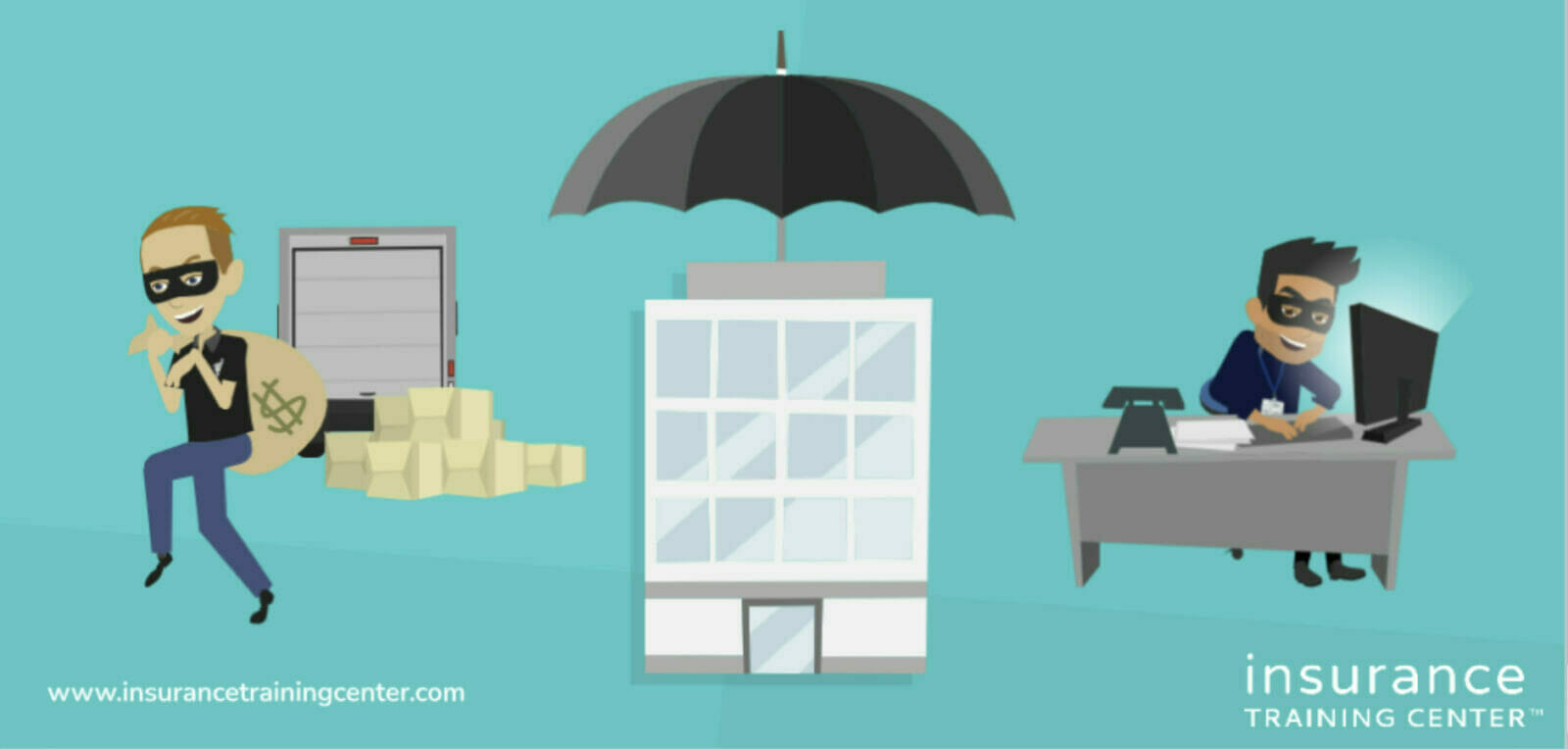
Employee dishonesty coverage is insurance protection for employers, in the event an employee steals from them. This coverage is commonly not a standalone coverage but rather, is an insuring agreement within a commercial crime insurance policy.
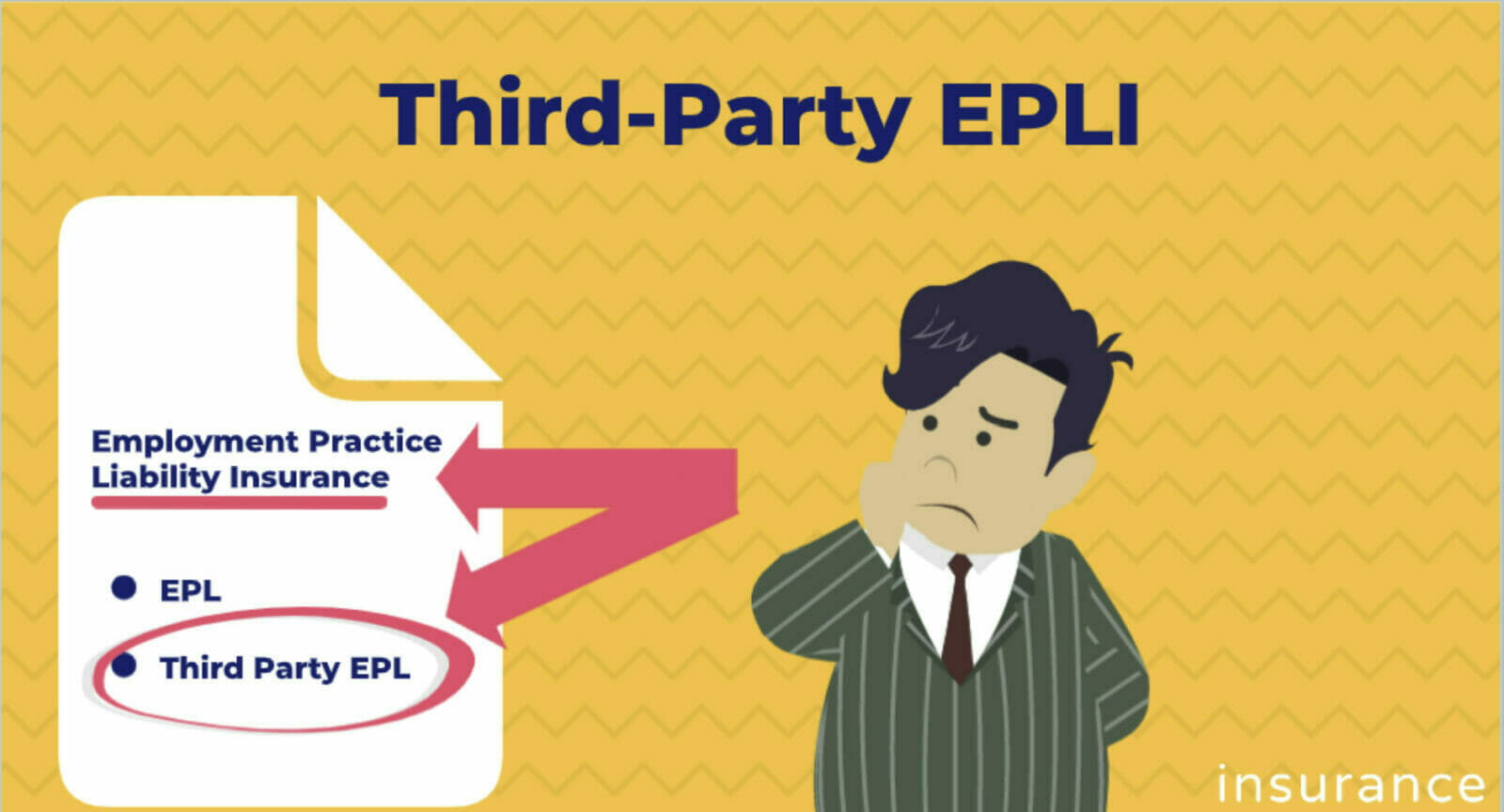
Third-party Employment Practices Liability Insurance (EPLI) protects organizations against financial loss from discrimination or harassment claims brought against them by someone from outside the insured organization – by a third party.
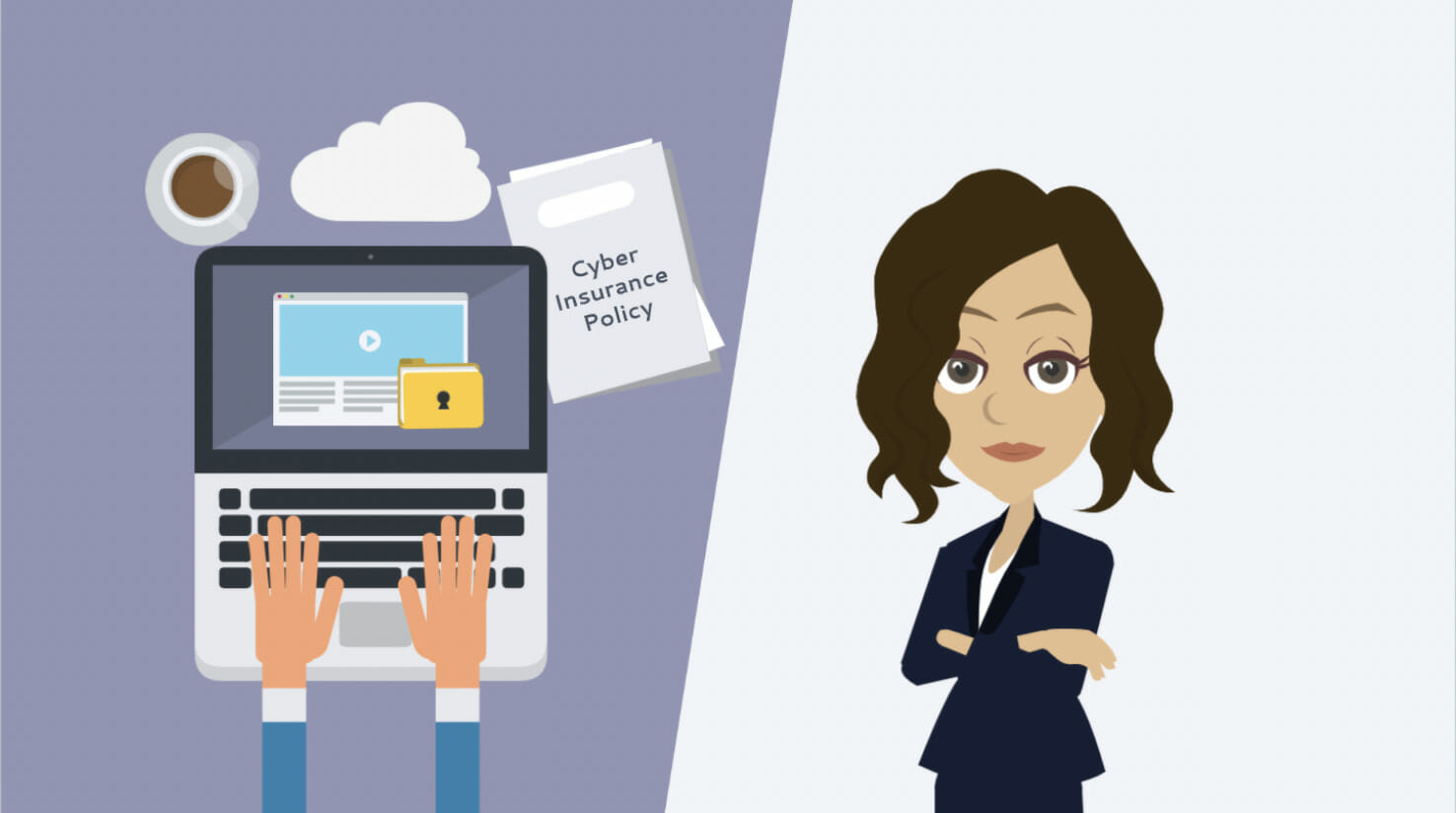
Many small businesses have not yet purchased cyber insurance but the threat for them is very real. Perhaps they don’t know where and how to get started with the purchase process, or what to look for?

Employee dishonesty is a major problem for organizations. Continue reading to learn important information about employee dishonesty, why it happens, and what you can do about it…

“Pay on behalf of” and “reimbursement” are two different approaches to paying the bills associated with a claim. There are pros and cons to both. But …

Underwriters glean valuable information from reviewing the financial statement notes that helps them to assess an organization’s overall risk profile.