

How to Get Started in the Insurance Industry
The insurance industry offers far more career opportunities than many people realize. Whether you enjoy helping people, analyzing information, solving problems, working with numbers, or building …
The insurance industry offers far more career opportunities than many people realize. Whether you enjoy helping people, analyzing information, solving problems, working with numbers, or building …

Actuaries play a critical role in helping insurance companies measure and manage financial risk, their analysis helps insurance companies estimate future claims costs, set premiums, determine how much money they need to pay future claims, and remain financially strong.

Don’t get lost in your next insurance discussion. This quick reference explains common insurance and related acronyms so you can understand the conversation and co…
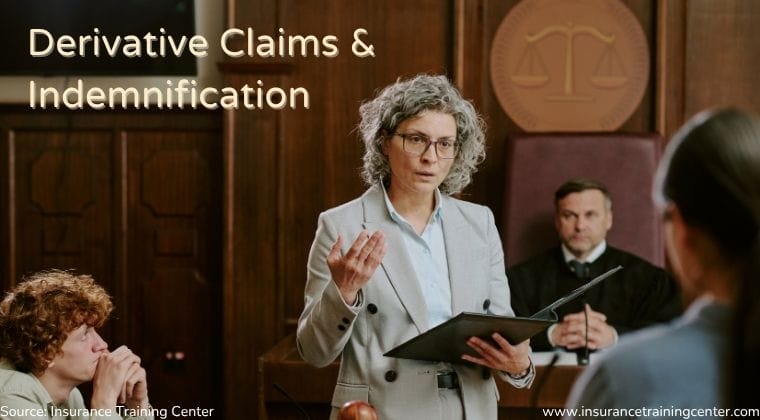
Derivative claims create one of the most important coverage issues in Directors and Officers (D&O) insurance: indemnification may not be available. When shareholders sue directors or officers on behalf of …

Claims-made insurance policies rely on several timing provisions to determine when coverage applies. One of the most important is the retroactive date, which establishes how far back a policy will respond to wrongful acts.
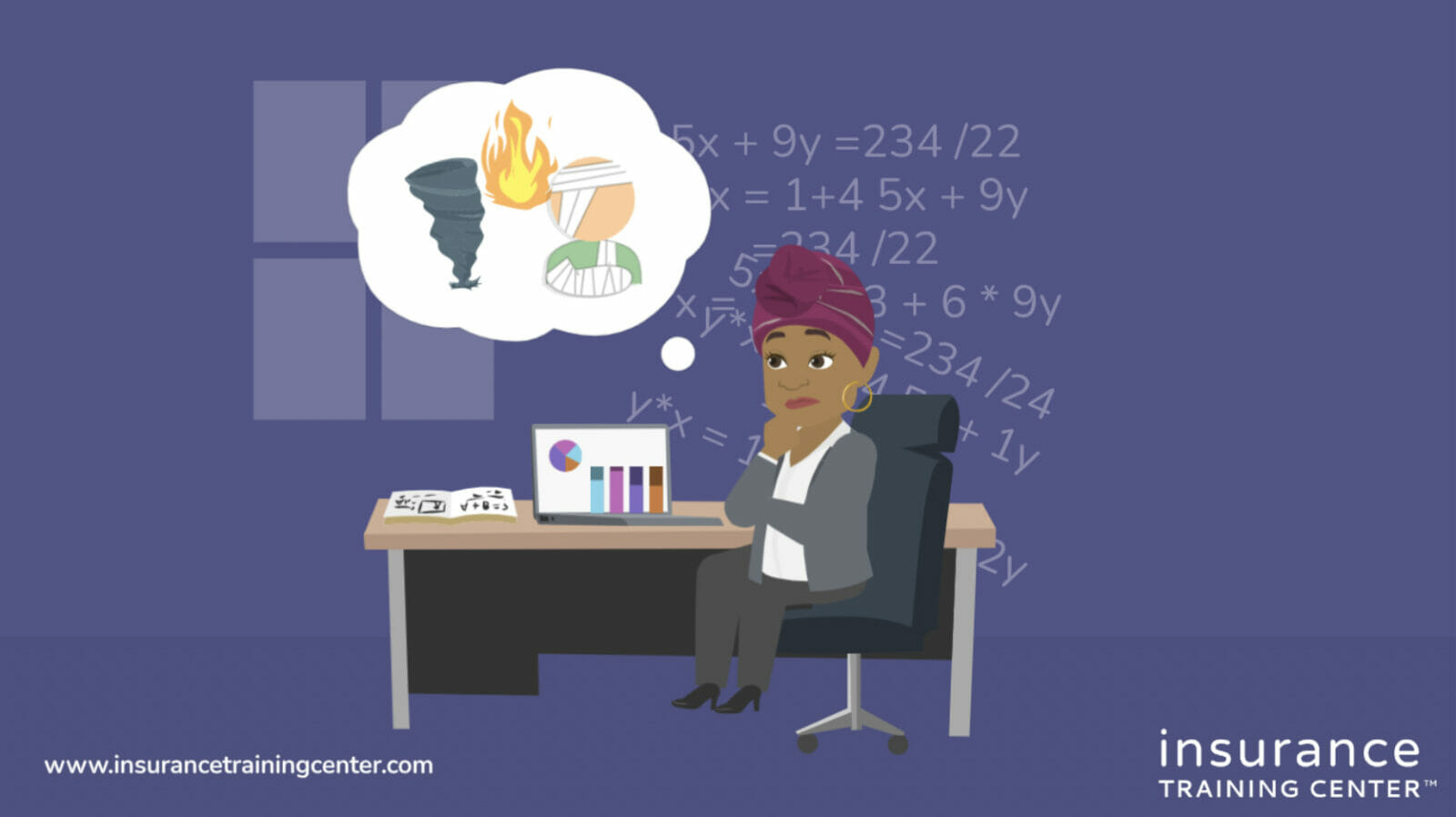
Understanding IBNR is more than knowing its definition. It means grasping how insurers use it, why it matters, and what role it plays in evaluating financial stability, pricing, and long-tail risk.

Run-off insurance refers to the coverage arrangement used when an insured has ceased operations or stopped providing professional services but remains exposed to claims arising from past acts.

Professional Indemnity Insurance (PI insurance) covers claims arising from providing professional services, including allegations of negligence, errors, omissions, or breaches of professional duty, that result in financial loss to a client or third party.

E&O insurance protects professionals from claims alleging errors, omissions, or negligence in their services. Also called professional liability insurance or professional indemnity insurance.

Understand the difference between admitted and non-admitted insurance, how they work across borders, and what they mean for policyholders, brokers, and global programs. Includes real-world examples and practical insights.